


In construction, your profit margins live and die in the field. Every wasted hour, every unexpected clash, and every piece of rework eats directly into your bottom line. While you can't control every variable, you can control your process. This is where a strategic investment in pre-construction planning pays massive dividends. By integrating detailed coordination drawings into your workflow, you can slash field labor costs by a significant 10–15%, turning potential losses into predictable profits.
This isn't just about creating a few extra diagrams. It's about building your project virtually before you ever break ground. This post explores how coordination drawings move clash detection from the job site to the computer screen, saving you time, money, and headaches. We will cover how this process improves planning, eliminates rework, and streamlines communication for a smoother, more profitable project from start to finish.
What Are Coordination Drawings?
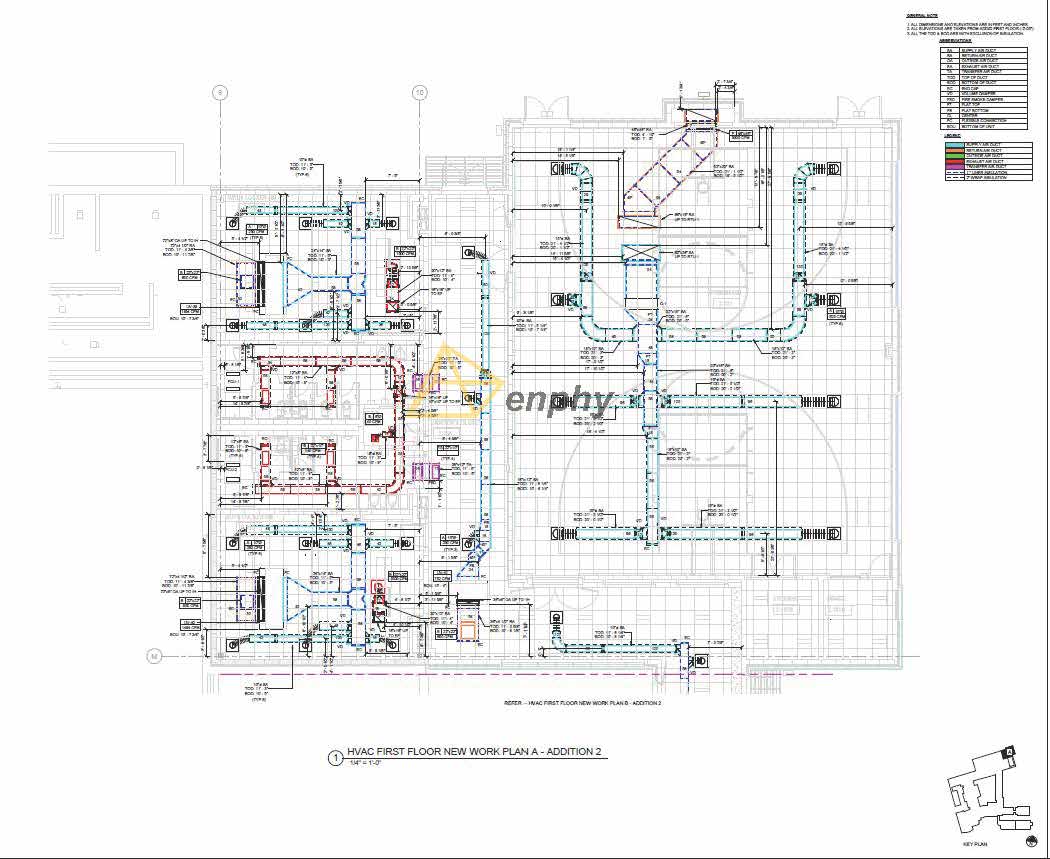
Before we dive into the savings, let's clarify what we mean by coordination drawings. These are not your standard design-intent drawings from the architect or engineer. Instead, they are composite drawings that overlay the designs and layouts from multiple trades—such as mechanical (HVAC), electrical, plumbing (MEP), and fire protection—onto a single, unified model.
Created using Building Information Modeling (BIM) software, these drawings show the precise location, elevation, and dimensions of every component. The primary goal is to identify and resolve spatial conflicts, or "clashes," during the pre-construction phase. Instead of discovering that a new duct run conflicts with existing plumbing on-site, you resolve it digitally months in advance.
The High Cost of On-Site Clashes
Every contractor has a story. The pipe that was supposed to run through a clear ceiling space suddenly meets a massive HVAC trunk line. The electrical conduit path is blocked by newly installed fire sprinkler pipes. These on-site clashes trigger a costly and inefficient chain reaction:
- Work Stoppage: Crews must stop what they are doing while a solution is figured out.
- Costly RFIs: A Request for Information (RFI) is sent back to the design team, delaying work for days or even weeks.
- Blame Game: Trades start pointing fingers, creating friction and damaging team morale.
- Rework: Materials may need to be disassembled, re-fabricated, or scrapped entirely. This means paying for labor twice to do the same job.
These problems don't just delay the schedule; they inflate your labor budget. An hour spent resolving an avoidable conflict is an hour you’re paying for with zero productive output.
How Coordination Drawings Drive 10-15% Labor Savings
Adopting a robust coordination process directly combats these inefficiencies. Here’s how coordination drawings translate into tangible savings on your labor costs.
1. Drastically Reduced Rework
Rework is a profit killer. Studies consistently show that rework can account for a significant percentage of a project's total cost. Coordination drawings are your best defense against it. By simulating the installation of all major systems in a digital environment, your team can identify hundreds or even thousands of potential clashes before a single worker steps on-site.
Resolving a clash in a BIM model costs a fraction of what it costs in the field. There are no materials to scrap, no crews standing idle, and no need for emergency re-fabrication. This proactive approach ensures that when your crews arrive, they have a clear and validated plan to execute. They can work confidently, knowing that the space they need is available and their installations won't interfere with other trades.
2. Improved and Streamlined Planning
With a fully coordinated model, your project managers and foremen can plan with an unprecedented level of detail. They know exactly where every component goes, which means they can:
- Optimize Crew Sequencing: Plan the workflow logically so trades aren't working on top of each other. Electricians can follow plumbers, and HVAC installers can work in cleared zones without interruption.
- Prefabricate with Confidence: Coordination drawings provide the precise measurements needed for prefabrication. Fabricating components like ductwork, pipe spools, and electrical assemblies off-site in a controlled environment is faster, safer, and less expensive than building them in the field. This also reduces on-site congestion and waste.
- Accurate Material Staging: Knowing exactly what will be installed and where allows for just-in-time material delivery and staging. This minimizes on-site clutter and reduces the labor hours spent moving materials around the job site.
3. Better Communication and Collaboration Among Trades
The coordination process itself fosters a collaborative environment. Instead of working in silos, representatives from each trade are brought together in coordination meetings to review the model and resolve conflicts as a team. This has several benefits:
- Shared Understanding: Everyone is working from the same playbook. The composite drawings become the single source of truth, eliminating confusion caused by conflicting plan sets.
- Proactive Problem-Solving: When a clash is found between a duct and a pipe, the mechanical and plumbing contractors can negotiate a solution directly. This is far more efficient than the back-and-forth of RFIs and change orders.
- Clear Accountability: The coordinated drawings clearly define each trade's scope and spatial ownership, reducing disputes over right-of-way in the field.
This improved communication minimizes the "hurry up and wait" cycles that plague so many projects, keeping your crews productive and on-task.
4. A Faster, More Predictable Workflow
When rework is minimized and planning is optimized, the entire project timeline accelerates. Fewer delays mean your crews can complete their work within the scheduled hours, avoiding costly overtime. A predictable workflow also allows for better labor forecasting, so you can allocate your resources more effectively across multiple projects.
For a general contractor, this means finishing the project on or ahead of schedule, which can lead to bonuses and enhanced client satisfaction. For a specialty contractor, it means freeing up your skilled labor to move on to the next profitable job sooner. The efficiency gains from coordination drawings ripple through the entire project, compounding your labor savings.
Making Coordination Drawings Work for You
Implementing a coordination process is an investment, but the return is substantial. It starts with ensuring your project team—from the GC to the specialty contractors—is committed to the BIM coordination process. The most successful projects establish clear protocols for modeling, clash detection, and issue resolution from the outset.
By shifting problem-solving to the pre-construction phase, you transform your field operations. Your teams are no longer firefighters, constantly reacting to unexpected issues. They become executors of a well-vetted plan. That shift is the key to unlocking the 10–15% labor cost savings that coordination drawings provide, giving you a powerful competitive edge in a demanding market.
At Enphy, we support mechanical contractors by delivering high-quality coordination drawings, clash detection, and shop drawings that keep projects on schedule and within budget.
📩 Ready to save on your next project? Contact us to discuss your upcoming job — we can furnish a quote within 24–48 hours.
Prefer email? Reach us directly at [email protected]
